How Screen Time Can Contribute to Dry Eye

Many people spend hours each day looking at computers, phones, tablets, and other digital devices. While screen use is part of daily life, it can contribute to dry eye symptoms when the eyes are not getting enough consistent lubrication. At Mission Optometric Center, we often see patients who notice irritation, burning, or tired eyes after long periods of near work.
Dry eye can happen for many reasons, but screen time is a common trigger because it changes how often and how completely we blink.
Blinking Less During Digital Device Use
When you focus on a screen, your blink rate often slows down. You may also blink less fully, which means the eyelids do not spread the tear film evenly across the surface of the eye. Over time, this can cause the tears to evaporate faster and leave the eyes feeling dry, gritty, or uncomfortable.
This is especially common during workdays that involve long computer sessions, video meetings, reading on a tablet, or scrolling on a phone for extended periods.
Common Dry Eye Symptoms From Screen Time
Digital screen use may lead to symptoms that come and go throughout the day or become more noticeable by the afternoon or evening. These symptoms may include:
- Burning, stinging, or scratchy eyes
- Redness or watery eyes
- Blurry vision that improves after blinking
- Eye fatigue or heaviness
- Light sensitivity
- Contact lens discomfort
- A feeling that something is in the eye
Even watery eyes can be a sign of dryness, since the eyes may produce reflex tears when the surface becomes irritated.
Your Environment Can Make Symptoms Worse
Screen time is not the only factor. Air conditioning, heating, fans, low humidity, and poor workstation setup can all make dry eye symptoms worse. When airflow hits the eyes directly, it can speed up tear evaporation. Looking slightly upward at a monitor can also expose more of the eye’s surface, which may increase dryness.
Small adjustments, such as lowering your screen slightly, taking breaks, and keeping air vents pointed away from your face, can help reduce irritation during the day.
Why Dry Eye Should Not Be Ignored
Occasional dryness may seem minor, but ongoing dry eye can affect comfort, vision clarity, and daily productivity. If the tear film is unstable, your vision may fluctuate even when your prescription is correct. Dry eye can also make it harder to wear contact lenses comfortably.
A comprehensive eye exam allows us to evaluate your symptoms, check the health of the ocular surface, and determine whether your dry eye is related to screen habits, tear quality, allergies, inflammation, contact lens wear, or another cause.
How We Help Patients Find Relief
At Mission Optometric Center, we take a personalized approach to dry eye care. We review your symptoms, daily screen habits, work environment, and overall eye health before recommending treatment. Depending on your needs, we may suggest changes to your routine, artificial tears, lid hygiene, contact lens adjustments, or additional dry eye management options.
The goal is to improve comfort, protect your eye health, and help your eyes feel more stable throughout the day.
Schedule A Dry Eye Evaluation In San Juan Capistrano
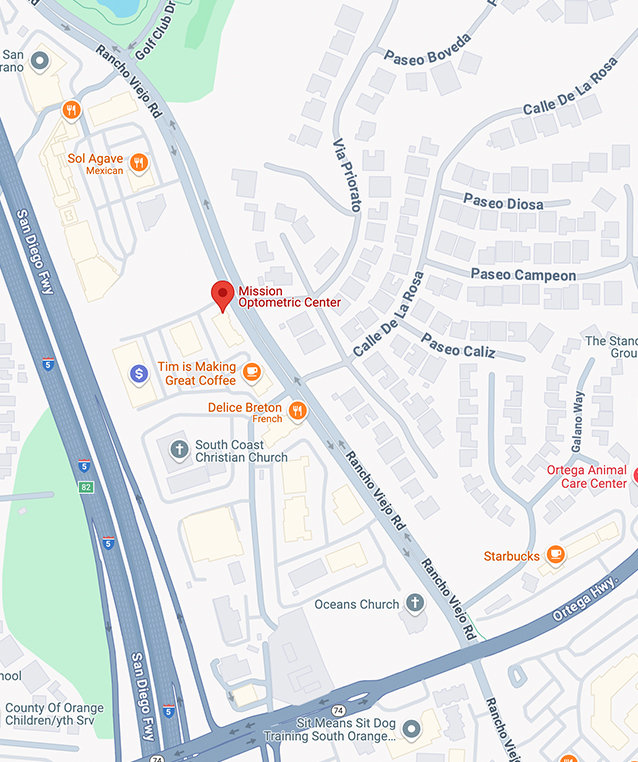
If screen time is making your eyes feel dry, irritated, or tired, we can help you find the cause and discuss treatment options. Contact Mission Optometric Center in San Juan Capistrano, CA by calling (949) 496-0552 to schedule an appointment at our office located at 31401 Rancho Viejo Rd, Suite 103.

Contact Us
Let’s keep in touch!
Contact information
Call Us:
(949) 496-0552
Office Hours
- Monday
- 8:30am - 5:00pm (closed for lunch 12:30 - 1:30 pm)
- Tuesday
- 10:30am - 7:00pm (closed for lunch 2:00 - 3:00pm)
- Wednesday
- 9:00am - 2:00pm
- Thursday
- 10:30am - 7:00pm (closed for lunch 2:00 - 3:00pm)
- Friday
- 9:30am - 5:00pm (closed for lunch 12:30 - 1:30pm)
- Saturday
- One Saturday per month (call for details)
- Sunday
- Closed
© 2026 Mission Optometric Center | All rights Reserved | Accessibility Statement | Privacy Policy | Sitemap
Powered by: